Essential Asbestos Removal Practices for Safe Environments in Canada

When it comes to asbestos removal, safety is not just a priority - it’s a necessity. Whether you own a home or manage a commercial property in Nova Scotia, understanding the right steps for asbestos removal can protect your health and ensure compliance with local regulations. I want to walk you through the essential asbestos removal practices that will help you navigate this process confidently and safely.
Understanding Asbestos Removal Practices
Asbestos was widely used in construction materials for decades due to its durability and heat resistance. However, we now know that asbestos fibers pose serious health risks when disturbed and inhaled. That’s why following proper asbestos removal practices is crucial.
First, it’s important to identify whether asbestos is present in your building. This usually involves hiring a certified professional to conduct a thorough inspection and testing. If asbestos is confirmed, the next step is planning the removal carefully.
Proper asbestos removal practices include:
Containment: Sealing off the area to prevent fibers from spreading.
Protective Gear: Wearing respirators, disposable suits, gloves, and eye protection.
Wet Removal: Using water or a wetting agent to minimize dust.
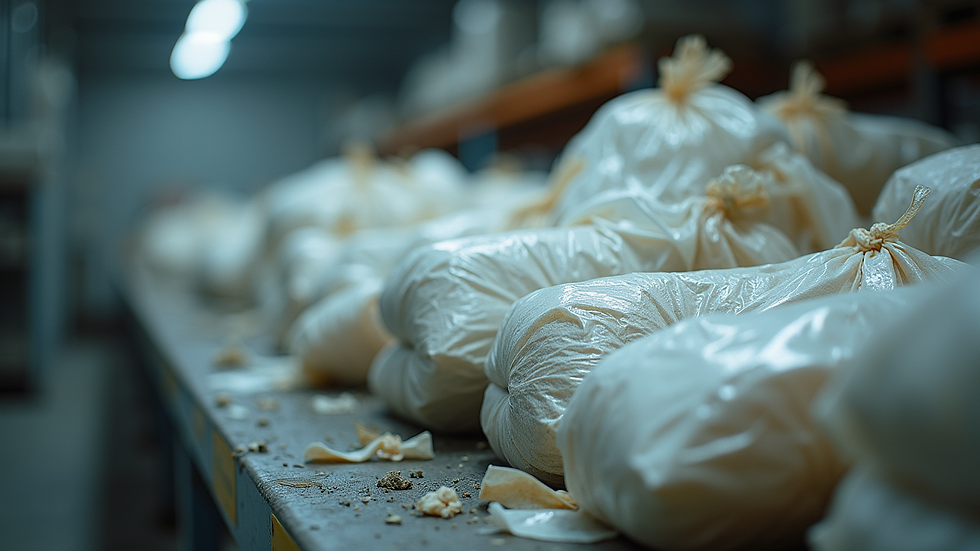
Safe Disposal: Following strict guidelines for packaging and disposing of asbestos waste.
These steps are designed to protect you, your family, or your employees from exposure. It’s not a DIY job. Professionals trained in asbestos abatement have the right equipment and knowledge to handle the material safely.

Why Following Asbestos Removal Practices Matters
You might wonder, why is it so important to follow these asbestos removal practices? The answer lies in the health risks associated with asbestos exposure. When asbestos fibers become airborne and are inhaled, they can cause serious diseases such as asbestosis, lung cancer, and mesothelioma.
Even small amounts of asbestos dust can be dangerous over time. That’s why containment and proper removal techniques are non-negotiable. By following these practices, you reduce the risk of contamination in your home or workplace.
Moreover, improper removal can lead to legal consequences. Canadian regulations require that asbestos removal be done by licensed professionals who adhere to strict safety standards. This protects not only your health but also your property value and legal standing.
If you’re looking for reliable information or services, you can always check resources related to safe asbestos removal canada to ensure you’re working with trusted experts.
What is the Average Cost of Asbestos Removal in Canada?
One of the most common questions I get is about the cost of asbestos removal. It’s understandable - budgeting for this kind of work is important. The truth is, the cost can vary widely depending on several factors:
Size of the area: Larger spaces require more time and resources.
Type of asbestos material: Some materials are easier to remove than others.
Condition of the asbestos: Friable asbestos (easily crumbled) is more hazardous and costly to remove.
Location and accessibility: Hard-to-reach areas may increase labor costs.
Disposal fees: Safe disposal of asbestos waste is regulated and can add to the cost.
On average, homeowners in Canada might expect to pay between $1,500 and $3,000 for asbestos removal in a small to medium-sized area. Commercial projects can be significantly higher depending on scale and complexity.
Keep in mind that while cost is a factor, safety should never be compromised. Hiring certified professionals ensures the job is done right the first time, preventing costly health issues or legal problems down the road.
Step-by-Step Guide to Safe Asbestos Removal
Let me break down the typical steps involved in safe asbestos removal. This will give you a clear picture of what to expect and how to prepare.
Inspection and Testing: A certified asbestos inspector collects samples and sends them to a lab for analysis.
Planning: Based on the results, a removal plan is created, including timelines, safety measures, and disposal methods.
Notification: Inform local authorities if required and notify building occupants.
Preparation: Seal off the work area with plastic sheeting and set up negative air pressure units to prevent fiber escape.
Personal Protective Equipment (PPE): Workers wear full protective gear including respirators.
Removal: Asbestos materials are wetted and carefully removed to minimize dust.
Cleaning: The area is thoroughly cleaned using HEPA vacuums and wet wiping.
Air Monitoring: Post-removal air tests ensure no asbestos fibers remain airborne.
Disposal: Waste is double-bagged, labeled, and transported to approved disposal sites.
10. Final Clearance: A final inspection confirms the area is safe for re-occupancy.
Following these steps ensures the highest level of safety for everyone involved.
How to Choose the Right Asbestos Removal Service
Choosing the right asbestos removal service is critical. Here are some tips to help you make an informed decision:
Check Credentials: Ensure the company is licensed and certified for asbestos abatement.
Experience Matters: Look for companies with a proven track record in your region.
Ask About Safety Protocols: Confirm they follow all provincial and federal regulations.
Request References: Speak with past clients to gauge satisfaction.
Get a Detailed Quote: Understand what’s included and any potential extra costs.
Insurance Coverage: Verify that the company has liability insurance.
By doing your homework, you can avoid scams and ensure your property is in safe hands.
Maintaining a Safe Environment After Removal
Once asbestos removal is complete, maintaining a safe environment is just as important. Here are some tips to keep your space asbestos-free:
Regular Inspections: Schedule periodic checks, especially if your building is older.
Avoid Disturbing Materials: If asbestos-containing materials remain, do not disturb them.
Educate Occupants: Make sure everyone understands the risks and safety measures.
Proper Renovations: Always inform contractors about any asbestos concerns before starting work.
Remember, prevention is better than cure. Keeping asbestos safely contained or removed protects your health and peace of mind.
Taking the right steps for asbestos removal is essential for creating a safe and healthy environment. By understanding the process, costs, and how to choose the right professionals, you can confidently manage asbestos risks in your property. If you want to learn more or need expert help, consider reaching out to trusted local services specializing in safe asbestos removal canada. Your safety and comfort are worth every effort.


Comments